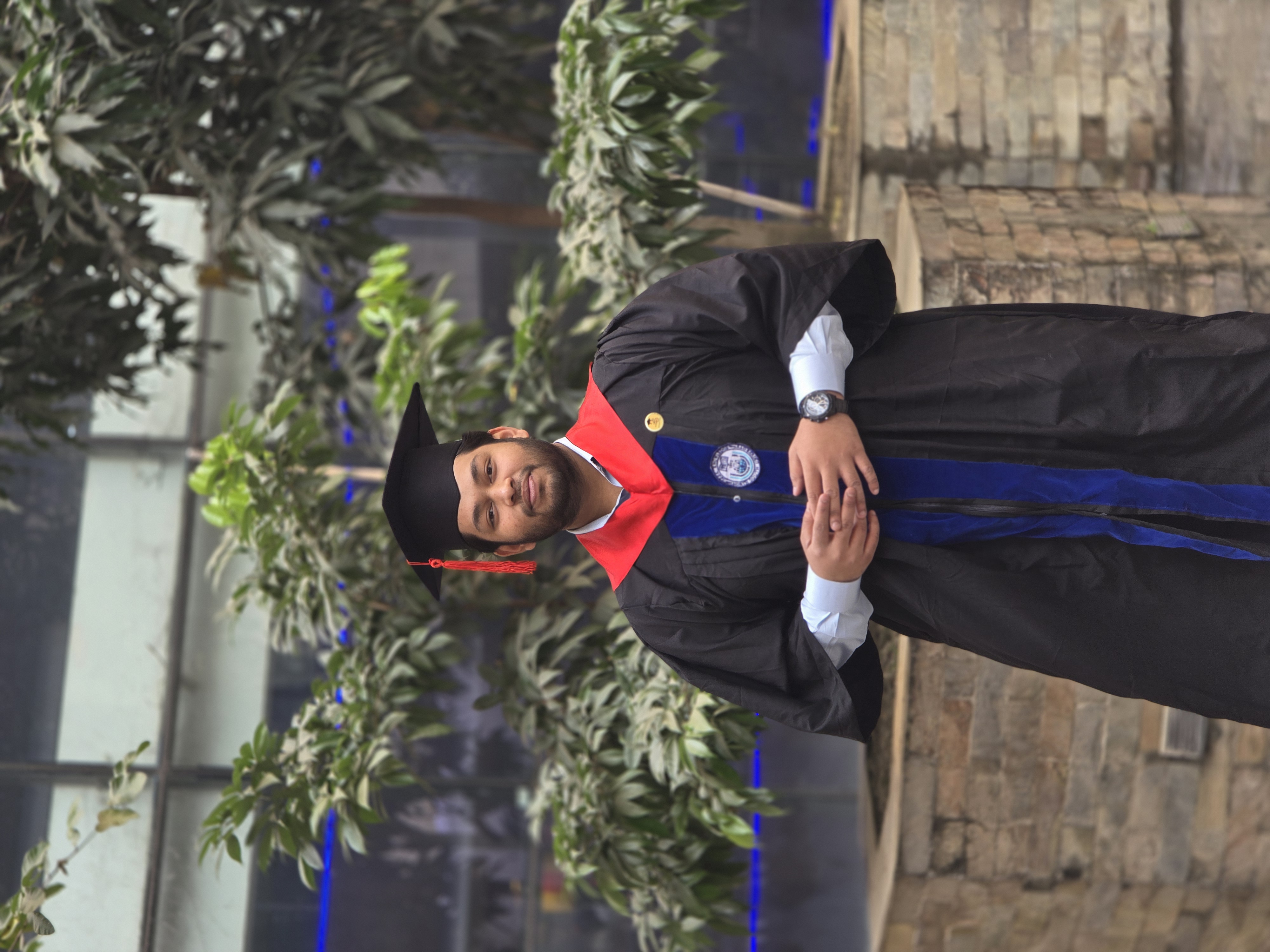
Ahmed Faizul Haque Dhrubo is a Graduate Research Assistant at the Systems on Embodied AI Lab (SEAL) in the Department of Electrical & Computer Engineering, North South University, Dhaka. He builds efficient, explainable, and deployable AI systems that work under the real-world constraints of edge devices and climate-vulnerable environments. His research spans deep learning architectures for computer vision and NLP, multimodal sensor fusion for embedded systems, and IoT-enabled climate resilience.
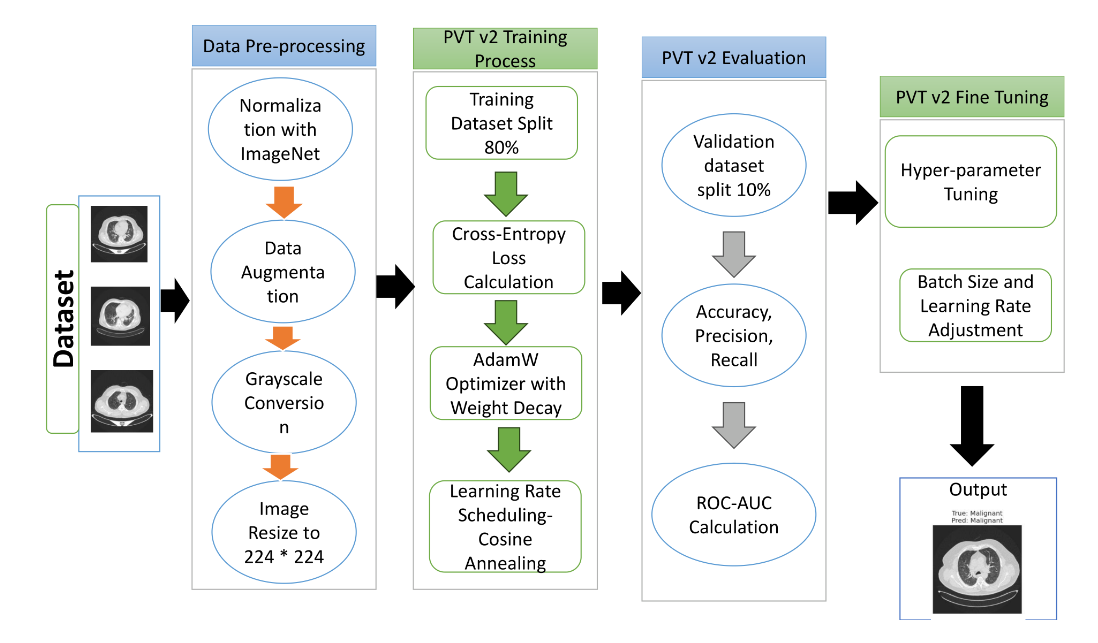
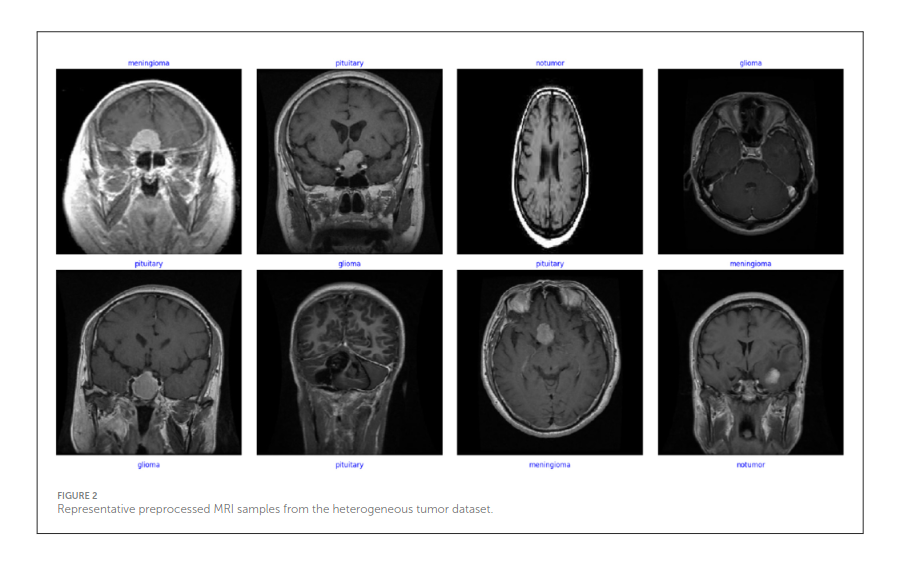
He is particularly interested in compressing heavyweight vision models without sacrificing accuracy. This led to HybiNet, a block-level fusion ensemble that injects intermediate features from EfficientNet, DenseNet, and Xception into customized SqueezeNet Fire Modules — reaching 95.44% validation accuracy with 2.83M parameters, a 62.6% parameter reduction versus DenseNet121. He extended this to object detection in HybiNet v2, presented at MIT URTC 2025.
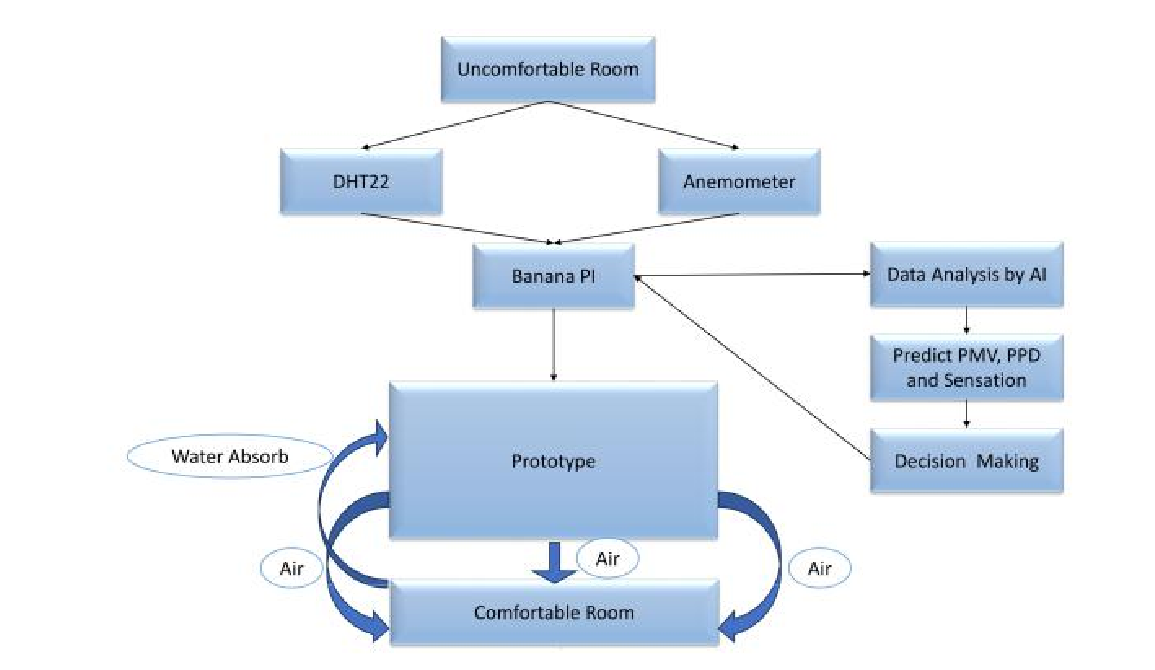
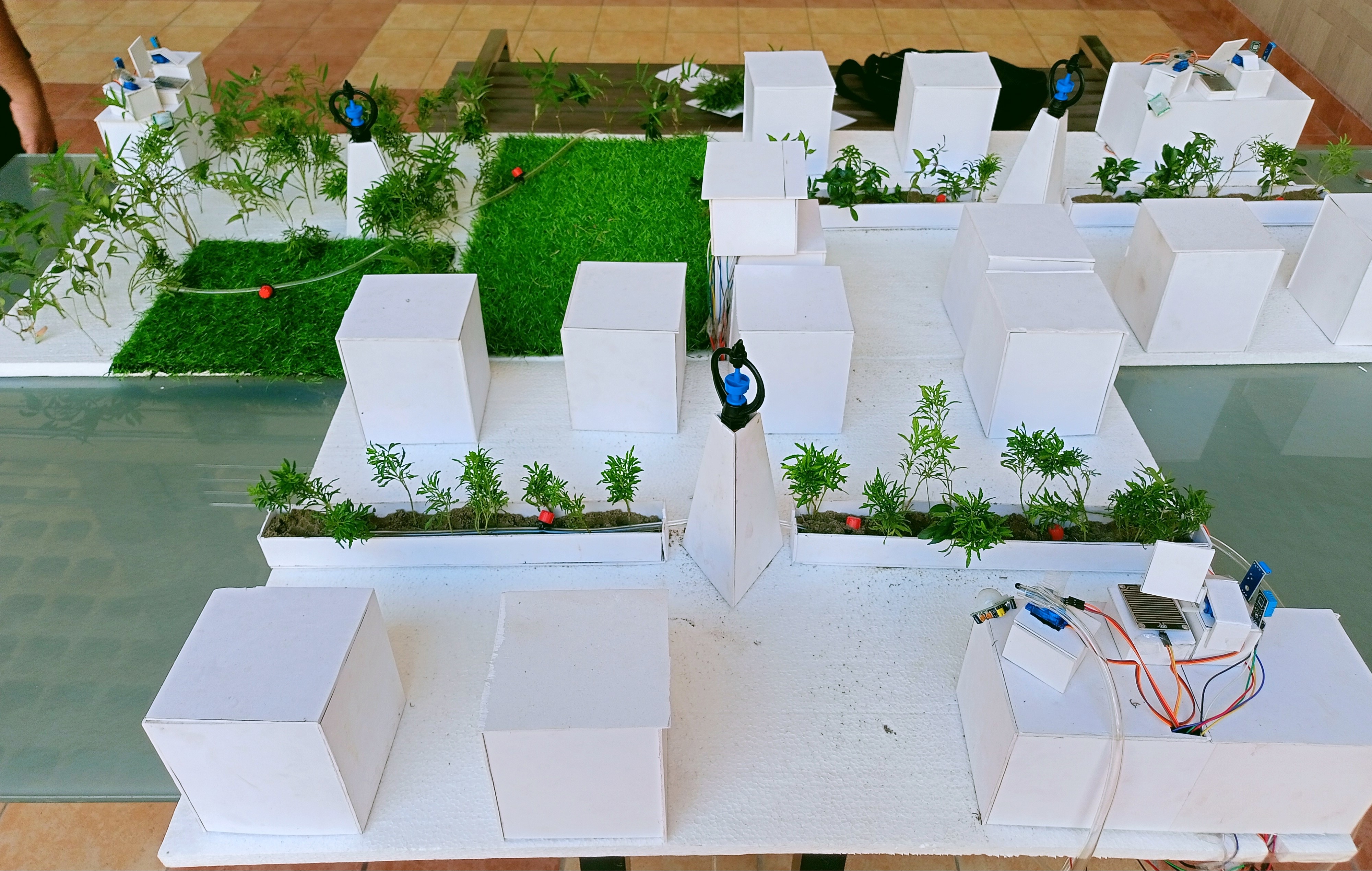
Beyond model efficiency, he has first-author work on IoT systems for extreme-weather resilience (MMAR 2024), a MOF-based sustainable cooling architecture for Bangladesh's urban-heat crisis (ICESA 2024), and a Kolmogorov–Arnold Network approach to legal document classification (ACL 2026, under review). His team received a Best Session Paper Award at IEEE IPAS 2025 for satellite-image segmentation analyzing environmental degradation in Bangladesh.
He coordinates Senior Design and Embedded Systems at NSU, where he has mentored over 200 student projects in AI, IoT, and robotics since 2023. He is currently targeting CVPR 2027 with a unified foundation model for multi-class tracking, detection, and segmentation.
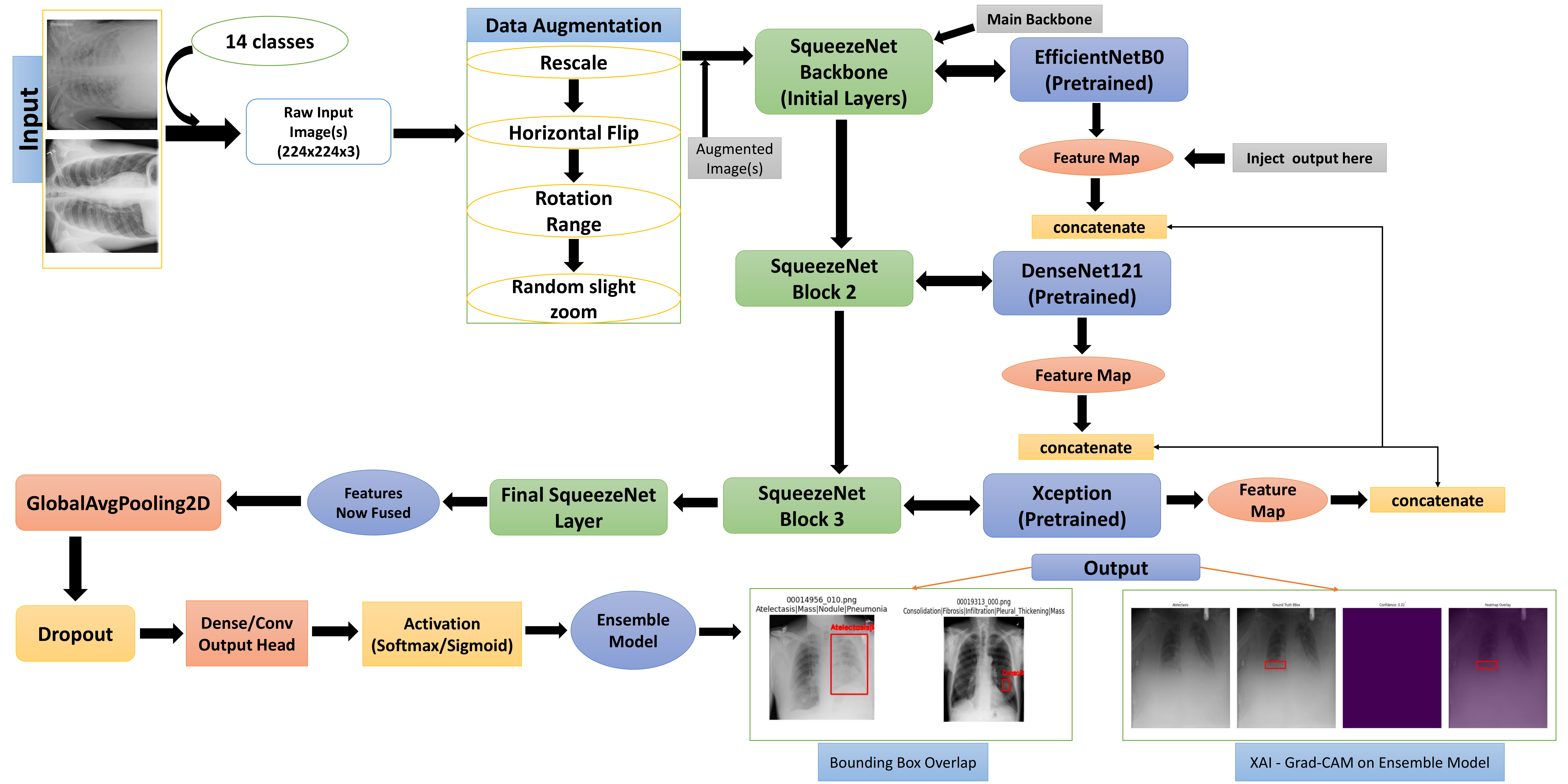 Chest X-ray · Feature Fusion
IEEE MIT URTC 2025
Chest X-ray · Feature Fusion
IEEE MIT URTC 2025